What Type of Sock Making Machine Is Best?
Choosing the best Sock Making Machine is not a matter of selecting the biggest model. It is a production decision shaped by yarn, sock design, order volume, labor, and maintenance support. A machine that produces 1,200 pairs daily may be excellent for basic athletic socks. It may perform poorly when the factory changes to fine-gauge dress socks or complex compression structures. The details matter.
Ettore Lonati, founder of Lonati S.p.A., is often associated with this practical principle: “The best machine is the one that fits the product.” That idea remains useful, even if it sounds simple. A buyer should examine cylinder size, needle count, feed systems, knitting speed, pattern flexibility, and automatic toe-closing options. Energy consumption also deserves attention. A low purchase price can become expensive through frequent needle replacement, difficult programming, or long downtime.
Real factories reveal more than brochures. Listen to the machine during a full shift. Watch how quickly an operator changes yarn. Check whether the control panel is clear, even when production becomes stressful. Ask for maintenance records and sample socks made with similar yarns. Small flaws appear later. Sometimes, the most advanced Sock Making Machine is not the most reliable choice for a smaller workshop. A simpler model may deliver steadier output and easier training. Still, this judgment should not be rushed. Product plans change, and today’s perfect machine may limit tomorrow’s designs. The final choice should balance technical capability, service access, operator experience, and realistic production goals.
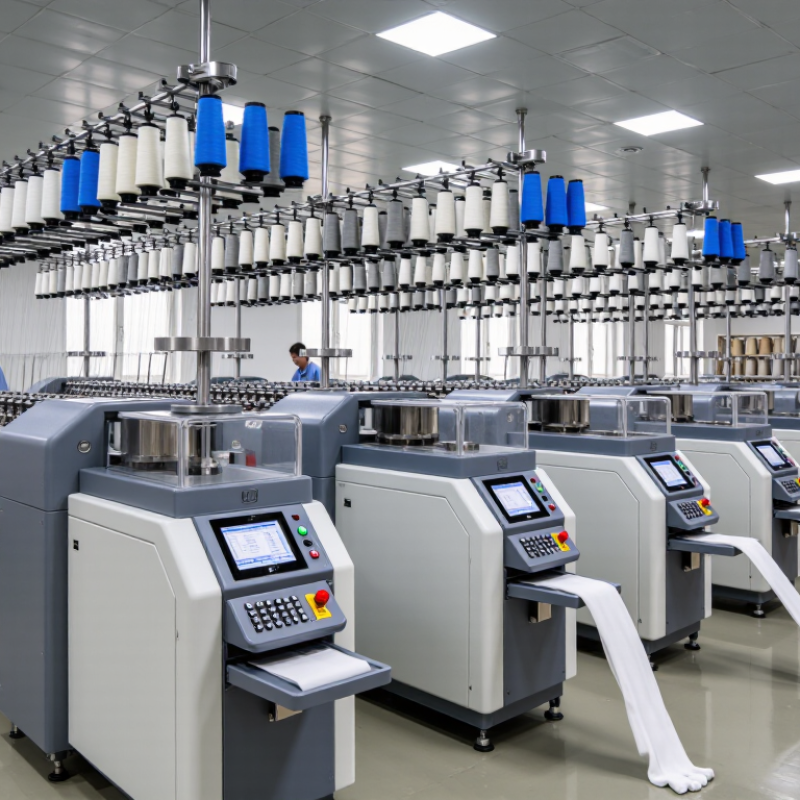
Main Types of Sock Making Machines and Their Core Functions
Single-cylinder machines are common for everyday socks. They knit the main tube and heel, then shape the toe, often using reciprocating motion. A technician can adjust stitch length and yarn tension to control fabric density. Small changes matter: loose tension may leave thin spots, while tight settings can make the sock feel stiff. Fit matters.
Double-cylinder machines use needles on two cylinders to form rib structures and varied patterns. They suit products that need more complex shaping or distinctive textures, but setup and maintenance can take more skill. Buyers should check sample socks for stretch, recovery, and seam comfort rather than relying on output speed alone. Numbers can mislead.
Some machines include terry functions, which create cushioned loops inside the sole or throughout the sock. This adds softness and warmth, but uses more yarn and may slow production. Jacquard-capable equipment can knit color patterns, though extra colors require careful yarn feeding and pattern planning. Ask operators to run the intended yarn and design before choosing a machine; a clean test on paper may still produce uneven fabric on the needles.
Key Factors for Choosing a Sock Making Machine
Choosing the best sock making machine starts with the socks you plan to produce. A machine suited to fine dress socks may not handle thick athletic styles well. Check its needle count, cylinder diameter, and supported yarn range against your target products. These details affect fabric density, fit, and the patterns you can make. Small differences matter.
Production speed is useful, but it should not outweigh stitch quality and reliable operation. Ask for sample socks made with your intended yarn, then inspect the toe seam, heel shape, and fabric after washing. A fast machine can still create costly rework if settings are difficult to control. Not every specification sheet tells the whole story.
Consider operator experience, floor space, power needs, and routine maintenance. Clear access to needles and other wear parts can reduce downtime. Ask how long common adjustments take, and whether your team can perform them safely. Service support matters too, especially during setup. A machine with more automation may sound ideal, yet it can be a poor fit if staff lack training. I would compare real production trials, not just quoted output. Even then, one trial may not reflect every yarn or pattern.
How Sock Design and Materials Affect Machine Selection
What Type of Sock Making Machine Is Best?
How Sock Design and Materials Affect Machine Selection
The best sock making machine depends on the product, not only its output speed. An everyday cotton crew sock needs different settings from a tight compression sock. During production trials, I check yarn behavior, stitch density, and toe construction before comparing machine specifications.
Cotton blends usually require stable tension control because fibers can swell during knitting. Stretchy materials need precise needle movement and reliable feeding. That detail matters. A machine with flexible gauge options can create thin dress socks, thick winter socks, or textured sports styles. Terry loops also require enough cylinder space and accurate sinker timing.
Design details can change the entire selection. A reinforced heel adds knitting steps and may reduce hourly output. Complex patterns require advanced electronic control, while simple designs may perform well on a less complicated system. Test samples help reveal problems such as loose ribs, uneven stripes, or weak toe seams. Small errors become expensive after thousands of pairs.
I have found that faster machines are not always better. A rushed setting can damage delicate yarn and increase rejected socks. My own early evaluations sometimes focused too heavily on speed. That was a mistake. Operators, maintenance access, spare needles, and training should also influence the final choice. Reliable results usually come from matching machine capability with the exact design and material.
Comparing Machine Performance, Automation, and Production Capacity
What Type of Sock Making Machine Is Best?
Comparing Machine Performance, Automation, and Production Capacity
The best sock making machine depends on your products, operators, and daily order volume. In practical testing, stitch consistency matters more than impressive speed claims. A stable machine should maintain even tension, clean patterns, and accurate sizing throughout long production runs. Small defects become expensive when they appear across thousands of pairs.
Automation can reduce manual adjustment and improve repeatability. Automatic yarn feeding, pattern control, and fault detection help operators respond faster. However, advanced automation still requires trained staff. A sensor may stop production, but it cannot always explain the real cause. That gap matters during busy shifts. Simple controls are often more reliable for smaller workshops.
Production capacity should be measured using usable output, not only theoretical cycles per hour. Consider setup time, maintenance, operator skill, and material changes. I once underestimated cleaning time, and the daily output looked better on paper than in the factory. That experience changed how I compare machines. A balanced model usually offers dependable performance, practical automation, and enough capacity for future orders. More speed is not always better. Your workflow may need flexibility instead.
Matching the Best Machine to Your Business Requirements
Choosing the best sock making machine starts with your business requirements, not the machine’s maximum speed. According to Grand View Research’s 2024 hosiery market report, the global hosiery market continues to expand, with demand shaped by sportswear, comfort, and customization. A small workshop may need a flexible single-cylinder machine for varied sizes and short production runs. A factory serving uniform or basic sock orders may prefer multi-cylinder equipment with higher output and stable operation.
Speed is only one part of the calculation. Textile Exchange reported that global fiber production reached about 124 million tonnes in 2023 and may approach 160 million tonnes by 2030. This shift increases the need to process recycled polyester, blended yarns, and elastic materials carefully. Before purchasing, test your actual yarn cones, including recycled and dyed batches. Ask about needle replacement, pattern software, operator training, and energy use. These details affect profit more than brochure specifications.
Consider the complete workflow. A machine producing 400 pairs per day may still underperform if linking, boarding, or inspection creates delays. Measure defect rates, changeover time, and maintenance hours for several weeks. It is easy to overestimate demand. A high-speed model can become an expensive idle asset when orders fluctuate. My practical view is imperfect but useful: choose capacity you can consistently sell, then leave room for controlled growth. Test samples under real production conditions before signing the purchase agreement.
What Type of Sock Making Machine Is Best?
Compare machine types with common production requirements. Higher scores indicate a closer fit; scores are illustrative, not output guarantees.
Choose based on the socks you plan to make, expected order volumes, and the machine’s supported construction and setup. Confirm capabilities with the equipment supplier before purchasing.