How to Choose the Right LED Corn Bulbs for Your Needs?
When it comes to selecting the right LED Corn Bulbs, informed choices matter. Studies have shown that adopting LED technology can lead to energy savings of about 75%. This reduction isn't just financial; it positively impacts the environment. The adoption of LED Corn Bulbs is projected to grow rapidly in commercial and residential sectors, primarily due to their efficiency and longevity.
However, navigating the vast options can be daunting. Not all LED Corn Bulbs are created equal. Differences in brightness, color temperature, and base size can significantly affect performance. Understanding these specifications is crucial. For instance, brighter LED options can exceed 160 lumens per watt, enhancing visibility in workspaces.
Choosing wisely can also prevent common pitfalls. Consider energy certifications, such as ENERGY STAR, for reliable performance. It's easy to overlook these details, but doing so could lead to unsatisfactory results. The right LED Corn Bulbs will not only save energy but also provide consistent, high-quality lighting tailored to your needs.
Understanding LED Corn Bulbs: A Brief Overview
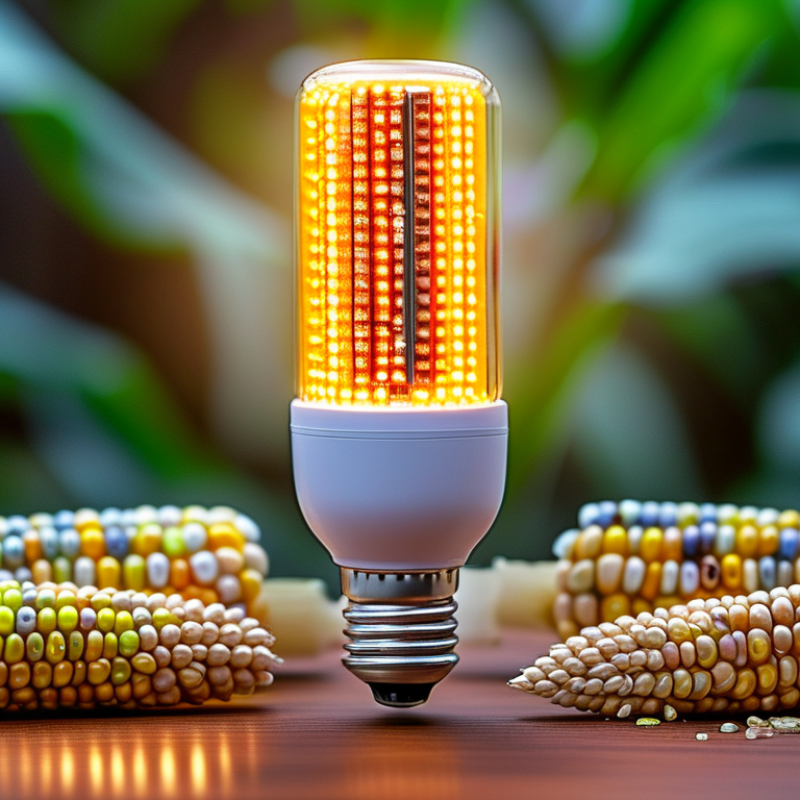
LED corn bulbs have become popular for their energy efficiency and versatility. They resemble traditional corn-shaped bulbs, providing various wattage and lumens. Understanding these bulbs is crucial for making the right choice.
When choosing LED corn bulbs, consider the wattage. Higher wattage provides brighter light, ideal for outdoor use. However, using too much power indoors can create an overly bright environment. Lumens measure brightness, so ensure it matches the intended space. For example, 1000 lumens is suitable for garages or workshops.
Additionally, the color temperature influences ambiance. Bulbs range from warm to cool white. Warmer tones create a cozy feel, while cooler tones promote alertness. Reflect on your preference and the environment. Ultimately, ensuring that energy savings align with your lighting needs can be a challenging task. Recognizing the differences and reflecting on which settings suit best can lead to better choices.
Key Factors to Consider When Choosing LED Corn Bulbs
When selecting LED corn bulbs, several key factors come into play. One major consideration is the lumen output. Lumen measures light brightness, and a higher lumen count means more light. For instance, if you need bright illumination for a warehouse, opt for bulbs that produce between 1,500 and 2,000 lumens. This will enhance visibility and safety.
Color temperature is another essential aspect. It defines the warmth or coolness of the light. A cooler temperature around 5000K provides a daylight-like effect, which is ideal for workspaces. Conversely, for cozy environments, a warmer temperature of 3000K can be more inviting. Don't overlook the bulb's lifespan either; many LED corn bulbs last up to 25,000 hours. However, some lower-quality options may not meet this claim.
Reflect on the fixture compatibility as well. Ensure the corn bulb fits your existing fixtures. It's easy to overlook this detail, leading to wasted time and effort. The wattage also matters. A bulb consuming fewer watts can save on energy bills. Always check for energy efficiency ratings as well. Making informed choices will guarantee the best results for your specific needs.
Comparing Wattage and Brightness for Your Space Requirements
When selecting LED corn bulbs, wattage and brightness are crucial factors. Wattage indicates energy consumption. Higher wattage usually means more light output, but not always. Some lower-wattage bulbs can be surprisingly bright. It's essential to understand how your space interacts with light. A high ceiling requires a brighter bulb compared to a room with lower ceilings.
Think about the purpose of the lighting. Are you illuminating a workspace, or creating ambiance? For offices, you might prefer bulbs with higher lumens. Ambiance might benefit from softer lighting at a lower wattage. Consider testing different bulbs in your space before making a decision.
Also, reflect on the color temperature. A bulb may have high brightness but emit a harsh, uncomfortable light. Warmer tones create a welcoming atmosphere. It's fine to have a range of lighting types in one area. Balancing wattage and brightness allows for versatility in your lighting scheme.
Comparison of LED Corn Bulbs by Wattage and Brightness
Evaluating Color Temperature for Desired Lighting Ambiance
When selecting LED corn bulbs, color temperature is crucial. It affects the ambiance of any space. According to the American Lighting Association, color temperature is measured in Kelvins (K). For instance, a 2700K bulb offers warm light, ideal for cozy settings. This temperature mimics traditional incandescent bulbs, which many people enjoy.
On the other hand, higher temperatures like 5000K produce a bright, daylight effect. Such bulbs are suitable for workspaces or areas that require focus. Research shows that environments with cooler color temperatures enhance alertness and productivity. However, excessive bright lighting can feel harsh and induce fatigue over time. Finding a balance is key.
Consider the space's purpose. A restaurant may benefit from lower color temperatures that create a relaxed atmosphere. Conversely, a garage or workshop needs sufficient brightness to ensure safety. The right color temperature not only shapes the ambiance but also influences mood and behavior. Ultimately, testing different bulbs in your environment can guide your decision. Each space may have unique requirements and preferences, underscoring the importance of personalized choices.
Assessing Energy Efficiency and Lifespan of LED Corn Bulbs
When considering LED corn bulbs, energy efficiency and lifespan are critical. LED technology uses significantly less energy than traditional lighting. According to the U.S. Department of Energy, LED bulbs consume up to 75% less electricity. That means lower utility bills for consumers and businesses alike.
Lifespan is another essential factor. Many LED corn bulbs last between 25,000 to 50,000 hours. This is a substantial improvement compared to incandescent bulbs, which typically last about 1,000 hours. The longer lifespan means fewer replacements, reducing waste and maintenance costs.
However, selecting the right LED corn bulb isn’t always straightforward. Variations in design and quality can affect performance. A bulb may claim to be energy-efficient, but real-world use might show otherwise. Customers should verify manufacturers' data. Seeking third-party certifications can also ensure reliability. It's important to balance initial costs with potential savings over time. This thoughtful approach can lead to better long-term outcomes.
How to Choose the Right LED Corn Bulbs for Your Needs? - Assessing Energy Efficiency and Lifespan of LED Corn Bulbs
| Feature | Standard Value | LED Corn Bulb Value |
| Wattage | 100W | 15-25W |
| Lifespan | 1,000 hours | 25,000 - 50,000 hours |
| Energy Efficiency Rating | N/A | A+ or A++ |
| Light Output (Lumens) | 1,600 lumens | 2,000 - 3,000 lumens |
| Heat Emission | High | Low |
| Dimmability | No | Yes (with compatible fixtures) |