How to Harness Solar Electricity for Your Business Needs?
Solar electricity presents a unique opportunity for businesses looking to reduce costs and enhance sustainability. In a world increasingly focused on renewable energy, harnessing solar power can set your business apart. Many companies face challenges in integrating solar electricity into their operations. However, with a strategic approach, these challenges can transform into benefits.
Implementing solar electricity requires careful planning. Businesses must assess their energy needs to determine the appropriate solar setup. Factors like space, budget, and energy consumption all play a role. Research shows that companies opting for solar can lower their energy bills significantly. This shift not only aids the bottom line but also enhances a brand's eco-friendly image.
However, it is essential to recognize that transitioning to solar is not without its hurdles. Initial costs can be daunting, and solar technology is ever-evolving. Companies may find themselves grappling with outdated systems if they don't stay informed. The journey towards sustainable energy usage should involve continuous learning and adaptation. In this complex landscape, expert guidance can prove invaluable in navigating the intricacies of solar electricity.
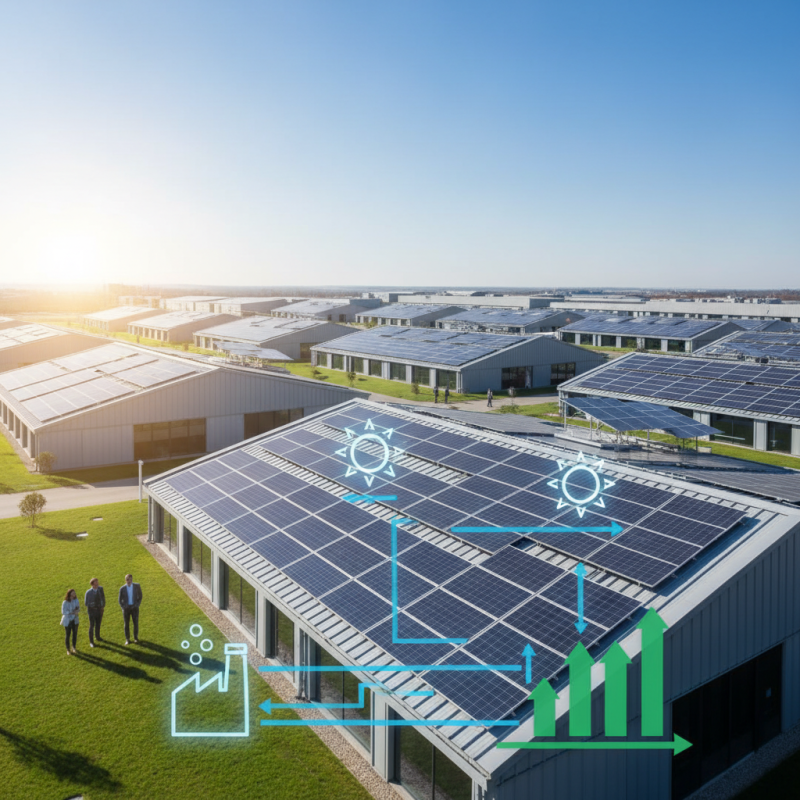
Understanding Solar Electricity: The Basics and Benefits for Businesses
Understanding solar electricity is essential for businesses looking to enhance sustainability. Solar panels convert sunlight into usable electricity. This renewable energy source can lower operational costs significantly. For small to medium-sized enterprises, the switch to solar can lead to substantial savings over time.
One key benefit is energy independence. Businesses can generate their own power, reducing reliance on external sources. This is particularly advantageous during peak demand periods when electricity costs tend to rise. However, initial installation costs can be a barrier. It's crucial to evaluate the long-term benefits versus upfront expenses.
Tips: Consider conducting an energy audit to identify your needs. This helps in determining the optimal size of the solar system. Collaborate with reputable solar installers to ensure a smooth installation process. Additionally, inspect your roof’s condition. A solid foundation is critical for maximizing efficiency.
Understanding local regulations is vital. Incentives may be available at state or federal levels. However, these policies can change, impacting your investment. Research thoroughly to prevent unforeseen obstacles. Solar electricity can be transformative, but a well-informed approach is essential for success.
Evaluating Your Business's Energy Needs and Solar Potential
Evaluating your business's energy needs is crucial when considering solar electricity. Start by analyzing your current energy consumption. Identify peak usage times and the types of equipment that consume the most power. This knowledge helps in determining the size and efficiency of a solar system that would suit your operations.
Next, assess your facility's solar potential. This involves examining roof space and orientation to sunlight. Shade from nearby buildings or trees can impact solar efficiency. Engaging a professional for a solar assessment can provide insights into your location's solar feasibility. Such evaluations can sometimes reveal limitations that are easy to overlook.
While going solar seems attractive, not every business will benefit equally. Factors like upfront costs, installation disruptions, and long-term maintenance require reflection. It’s essential to weigh these considerations against projected savings. Solar can offer sustainability and cost reductions, but it’s not a one-size-fits-all solution. Understanding your unique energy landscape is the key to harnessing solar effectively.
Annual Solar Energy Production vs. Business Energy Consumption
This chart compares the estimated annual solar energy production (in kWh) against the annual energy consumption of a small to mid-sized business (in kWh). By evaluating both metrics, businesses can assess the feasibility of solar electricity to meet their energy demands.
Selecting the Right Solar Technology: Panels, Inverters, and Storage
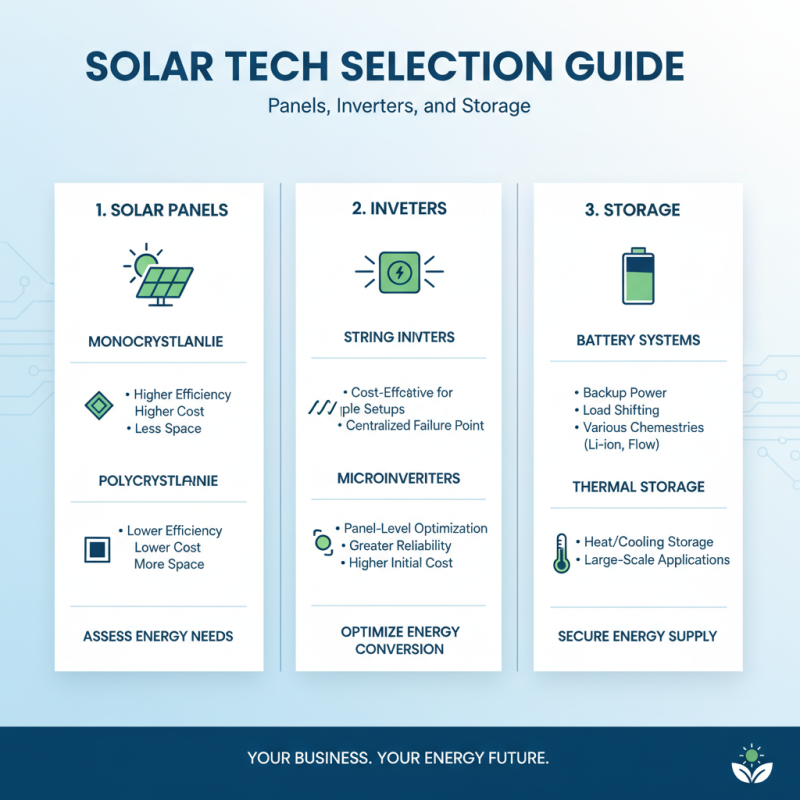
Selecting the right solar technology is crucial for meeting your business energy needs. Solar panels are often the first step. Various types exist, including monocrystalline and polycrystalline options. Monocrystalline panels offer higher efficiency but can be pricier. Polycrystalline panels are more budget-friendly yet less efficient. Assess your facility's energy needs to determine the best fit.
Inverters play a significant role in converting solar energy into usable power. String inverters are popular for smaller setups, while micro-inverters offer advantages for larger systems. Smaller businesses may find micro-inverters beneficial for maximizing energy output. Storage options, like batteries, cannot be overlooked. They allow you to use solar energy during non-sunny hours. However, storage systems can add costs. It's essential to weigh potential savings against upfront investments.
Many businesses struggle with these decisions. It's common to feel overwhelmed by the options available. Costs may fluctuate, and technology advances rapidly. Researching thoroughly and consulting with experts can help clear confusion. Seek resources that provide unbiased information. Emphasizing long-term benefits rather than immediate savings can guide your choices effectively.
Financial Incentives and Cost-Benefit Analysis of Solar Investments
Investing in solar electricity can significantly impact a business's bottom line. Financial incentives like tax credits and rebates make this investment more appealing. Many regions offer government-backed incentives to decrease upfront costs. These programs can offset installation expenses, allowing businesses to see a quicker return on investment. The initial financial outlay is daunting for some, but it’s essential to view it as a long-term gain.
Conducting a thorough cost-benefit analysis uncovers the potential savings. Businesses often overlook maintenance costs, which are typically lower for solar systems compared to traditional energy sources. Energy bills can be reduced by up to 70% with effective solar panels. However, businesses must evaluate their energy needs accurately. Oversized systems can lead to wasted capital.
Businesses should also consider their local solar energy landscape before making a decision. Understanding potential sunlight exposure and energy consumption patterns can guide more effective investments. Adjusting expectations and learning from the installation process are vital for success.
Implementing and Maintaining a Solar Energy System for Business Operations
Implementing a solar energy system for your business can seem daunting. It requires careful planning and execution. Start by assessing your energy needs. Analyze your usage patterns to understand how much power you require. This helps in sizing the solar system correctly. A well-sized system can lead to substantial savings on energy bills.
Installation is another critical phase. Partnering with experienced professionals is essential. They can ensure a seamless installation process and adherence to local regulations. Solar panels should be positioned correctly for maximum sunlight exposure. Regular maintenance is crucial for efficiency. Clean the panels periodically to remove dirt and debris. Monitor the system for any signs of wear or underperformance, and address issues promptly.
It's vital to keep in mind that adopting solar energy isn't a one-time commitment. Businesses must remain flexible and adaptable. Sometimes, unexpected challenges arise. These may include technological changes or fluctuating energy needs. Engage with experts regularly to evaluate and optimize your system. Feedback from users can guide improvements and enhance reliability.
How to Harness Solar Electricity for Your Business Needs?
| Dimension |
Description |
Expected Benefits |
| Energy Needs Assessment |
Evaluate the total energy consumption of your business operations. |
Identify peak usage periods and potential for solar integration. |
| Site Evaluation |
Analyze the location for solar panel installation, considering shade, roof orientation, and space. |
Maximize solar exposure to enhance energy production. |
| System Design |
Design a solar energy system tailored to your energy needs and site characteristics. |
Optimize efficiency and cost-effectiveness of the installation. |
| Financing Options |
Explore various financing options such as loans, leases, or purchasing. |
Reduce upfront costs and improve ROI. |
| Installation Process |
Understand the step-by-step installation process and timeline. |
Ensure a smooth transition with minimal disruption to operations. |
| Maintenance and Monitoring |
Implement a regular maintenance schedule and monitoring system. |
Ensure optimal performance and longevity of the solar system. |