Top China Mini Shop Refrigeration Manufacturers?
Choosing the right supplier is a practical decision, not a catalogue exercise. This guide explores leading China Mini Shop Refrigeration manufacturers and the factors that make them dependable business partners. Small stores need equipment that performs steadily in narrow aisles, warm climates, and busy trading hours. A refrigerator may look impressive under showroom lights, yet fail when doors open repeatedly throughout the day. Real performance matters more.
The comparison considers manufacturing experience, compressor quality, temperature stability, energy consumption, material durability, and production consistency. It also examines OEM support, export experience, installation guidance, spare-parts availability, and after-sales communication. Reliable manufacturers should provide clear specifications, meaningful test data, and evidence of quality-control procedures. Certifications can support trust, but they should not replace practical verification. Ask for factory videos, sample testing, references, and written warranty terms.
There is no universal “best” supplier. A compact beverage cooler may suit one shop, while a glass-door display cabinet may better serve another. Budget limitations also influence the final decision. Sometimes, the lowest quotation hides weaker insulation or slower service. That deserves attention.
A careful buyer should compare total operating value, not only purchase price. Visiting a factory can reveal details that brochures omit, such as clean assembly areas, organized testing stations, and properly labeled components. Still, inspections have limits. A single visit cannot guarantee long-term performance. This article offers a balanced framework for evaluating China Mini Shop Refrigeration manufacturers with practical evidence, professional judgment, and reasonable caution.
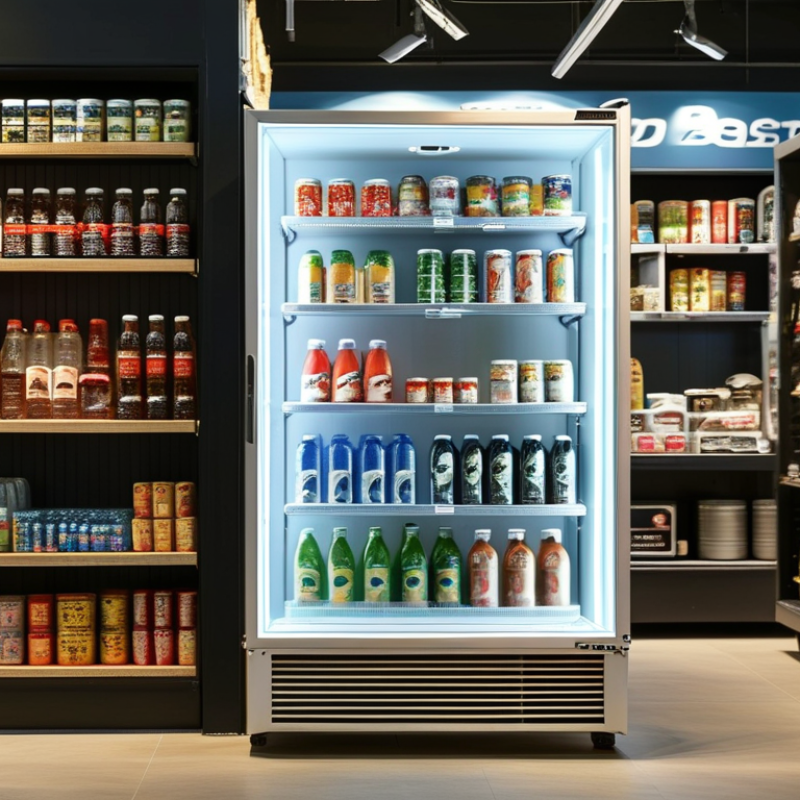
What Is Mini Shop Refrigeration?
Mini shop refrigeration refers to compact cooling equipment designed for convenience stores, kiosks, cafés, and small food outlets. It usually includes glass-door chillers, under-counter refrigerators, display freezers, and compact ice machines. These units keep drinks, dairy products, fresh food, and frozen goods within stable temperature ranges while using limited floor space.
A practical unit should match the shop’s product mix, aisle width, electrical capacity, and daily opening hours. For example, a glass-door chiller needs bright lighting, strong door seals, and even airflow across several shelves. A freezer needs dependable defrost control, especially in humid environments. Small errors matter. A cabinet that looks efficient may consume more energy when opened constantly.
When comparing Chinese refrigeration manufacturers, buyers should request temperature test records, material specifications, compressor details, warranty terms, and replacement-part availability. Factory experience with export packaging also reduces damage during transport. Ask how performance is checked after assembly, not only how the cabinet looks. Local electrical and food-safety requirements must be confirmed before purchase. A low price can be useful, but weak insulation or slow service may increase operating costs. Measure the real space carefully. Door clearance is often forgotten.
How to Evaluate Chinese Refrigeration Manufacturers
Choosing a Chinese mini shop refrigeration manufacturer requires more than comparing catalog prices. IEA reports that cooling already uses about 10% of global electricity. Small efficiency gaps become expensive across thousands of operating hours.
Request independent test data for energy use, temperature recovery, noise, and defrost performance. A cabinet should hold stable temperatures after frequent door openings. Test it with a real product load, not an empty display case. Check insulation thickness, gasket compression, condenser cleanliness, and controller accuracy. Ask whether measurements follow recognized standards, such as IEC 60335-2-89. Papers matter.
Factory experience matters too. Visit the production line when possible. Inspect foam injection, copper joints, leak testing, and final inspection records. A polished showroom can mislead. I have seen attractive samples hide weak hinges and uneven sealing. That detail deserves attention. Request three consecutive samples, then compare their power readings and temperature curves.
Refrigerant selection also requires careful review. The UNEP Kigali Amendment assessment links cooling growth with the need to reduce high-global-warming refrigerants. Confirm refrigerant type, charge, safety controls, and export-market requirements. Evaluate service response times, spare-parts availability, warranty exclusions, and technician training. ISO certification helps, but it does not prove field reliability. Ask for failure-rate data from comparable installations. If a supplier refuses basic evidence, treat the refusal as evidence itself. A lower quotation may reflect thinner insulation, weaker compressors, or incomplete after-sales support.
Top China Mini Shop Refrigeration Manufacturers
Top China Mini Shop Refrigeration Manufacturers are judged by more than low pricing. Reliable producers understand tight store layouts, frequent door openings, and changing outdoor temperatures. Their equipment should provide stable cooling, efficient airflow, and easy cleaning. A compact glass-door cabinet must still hold products evenly, including drinks placed near the front.
Experienced buyers inspect compressor selection, insulation thickness, door seals, shelf strength, and temperature recovery. These details affect daily performance. Ask for test records, energy data, production photos, and clear warranty terms. Independent factory audits can also reveal assembly quality, spare-parts planning, and response times. Certifications should match the destination market, not merely appear in a sales brochure.
Customization is useful, but it can create weaknesses. A special size may reduce airflow or increase service difficulty. I have seen attractive display units lose cooling efficiency after poor shelf adjustments. That mistake is easy to overlook. Buyers should request sample testing under realistic shop conditions, with repeated door openings and full product loads. Some manufacturers offer strong engineering support, while others depend heavily on standard designs. That difference matters. A dependable supplier communicates clearly about lead times, temperature ranges, maintenance access, and installation limits before payment. Credibility grows through documented testing, consistent communication, and equipment that performs beyond the showroom.
Key Products and Customization Options
Top China Mini Shop Refrigeration Manufacturers: Key Products and Customization Options
Mini shops need refrigeration that protects products while using limited floor space. Common product lines include glass-door display coolers, undercounter refrigerators, chest freezers, and compact freezer cabinets. Each serves a different selling pattern. Glass doors support quick product selection, while undercounter units keep preparation areas tidy.
Reliable manufacturers usually offer practical customization. Buyers can request specific cabinet widths, shelf spacing, door types, LED lighting, caster wheels, and temperature ranges. Voltage and plug standards should match the destination market. Insulation thickness also matters, especially in hot stores with frequent door opening. A well-designed controller can reduce temperature swings and simplify daily checks.
Details matter most.
Experienced suppliers should provide cooling performance data, electrical specifications, material information, and production inspection records. Ask how the unit performs after repeated door cycles, not only in ideal test conditions. Food-safe interior surfaces and easy-clean drainage reduce maintenance risks. Refrigerant selection must follow current local requirements and environmental rules.
Customization can become expensive quickly. A larger compressor is not always the best answer. It may increase noise and energy use. I have seen layouts designed around cabinet appearance, then adjusted after staff struggled to restock shelves. Measuring aisle width, outlet position, delivery access, and peak customer traffic before ordering prevents that mistake. Still, a prototype or sample unit may reveal problems that drawings miss.
Quality, Certifications, and Export Considerations
Top China Mini Shop Refrigeration Manufacturers: Quality, Certifications, and Export Considerations
Reliable mini shop refrigeration begins with measurable performance, not polished photographs. A capable manufacturer should provide temperature test records, compressor details, insulation thickness, and door-seal inspection results. Ask for operating data under realistic shop conditions, including frequent door opening and high ambient temperatures. Stable cooling matters more than impressive pull-down speed. It reduces spoiled products and unnecessary electricity use. Factory audits should examine wiring, copper joints, drainage, and final assembly. Small faults often appear there.
Certifications require careful checking. ISO 9001 indicates a quality management system, but it does not guarantee every cabinet performs well. CE documentation may support European sales when the product meets applicable safety and electromagnetic requirements. RoHS evidence addresses restricted substances. Other markets may require local electrical approvals, energy labels, or safety testing. Verify the certificate holder, model number, testing scope, and validity date. A certificate alone proves little. This is where many buyers become careless.
Export preparation also affects the final cost. Confirm voltage, frequency, plug type, refrigerant, noise level, and climate class before ordering. A unit designed for a mild warehouse may struggle in a hot roadside store. Request packaging photos, drop-test information, spare-part lists, and clear installation instructions. Check the HS code and import documents with a customs professional. Agree on inspection standards before production, including cabinet temperature, lighting, leakage, and appearance. Leave room for honest review: factory samples may perform better than mass production if supervision is weak. Serial-number tracking and a written warranty make problems easier to resolve.